Key areas
Impact of Autism Spectrum Disorder
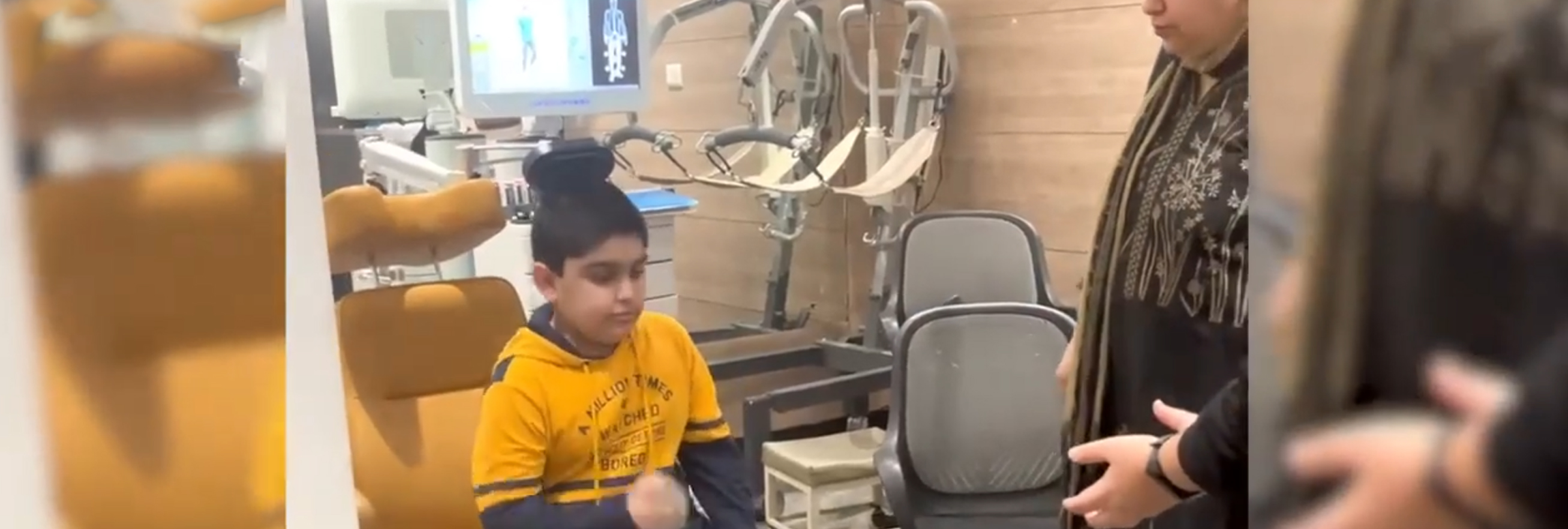
Autism Spectrum Disorder can influence multiple areas of development, including communication, behavior, and sensory processing. The impact varies widely among individuals, affecting daily functioning and quality of life. Early and consistent support plays a key role in long-term progress.
Communication Skills
May involve delayed speech, limited verbal expression, or difficulty understanding language.
Social Interaction
Challenges in understanding social cues, building relationships, and engaging with others.
Behavior Patterns
Repetitive behaviors, restricted interests, and preference for routines.
Sensory Processing
Heightened or reduced sensitivity to sounds, lights, touch, or other stimuli.
Cognitive Development
Differences in learning styles, attention, and information processing.
Daily Living Skills
May require support in managing routines and achieving independence.
Technologies Used for Autism Spectrum Disorder
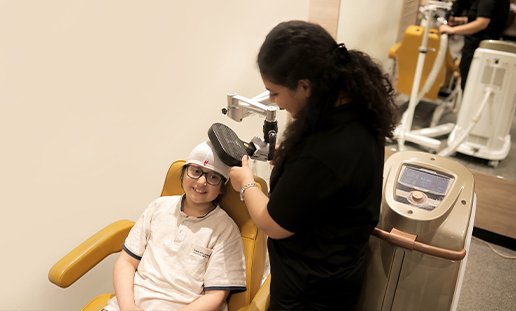
RTMS
Non-invasive brain stimulation that modulates cortical excitability, supporting neuroplasticity and motor and cognitive recovery.
Where technology Meets Neuroscience Recovery in Autism Spectrum Disorder Rehabilitation
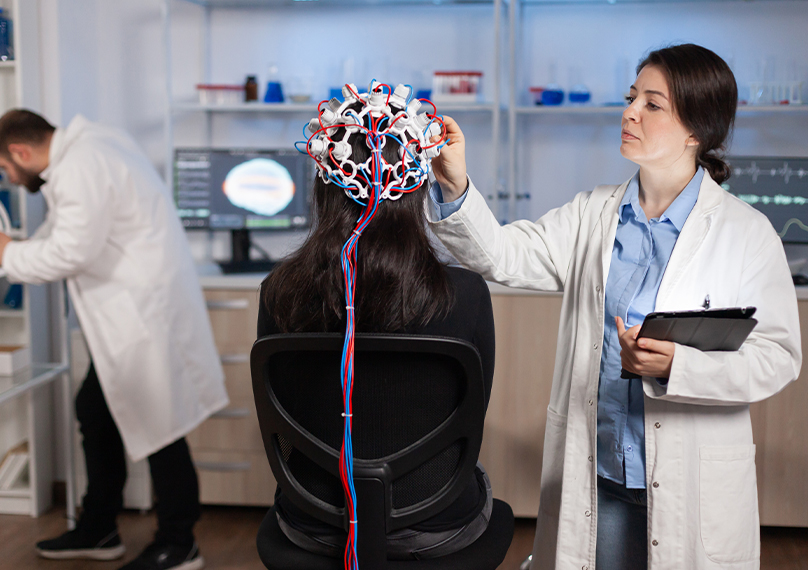 Step 1
Detection of Neural Signals
- Sensors capture bioelectric signals from the brain
- Identifies the patient’s intention to move
- Enables early engagement even with limited physical ability
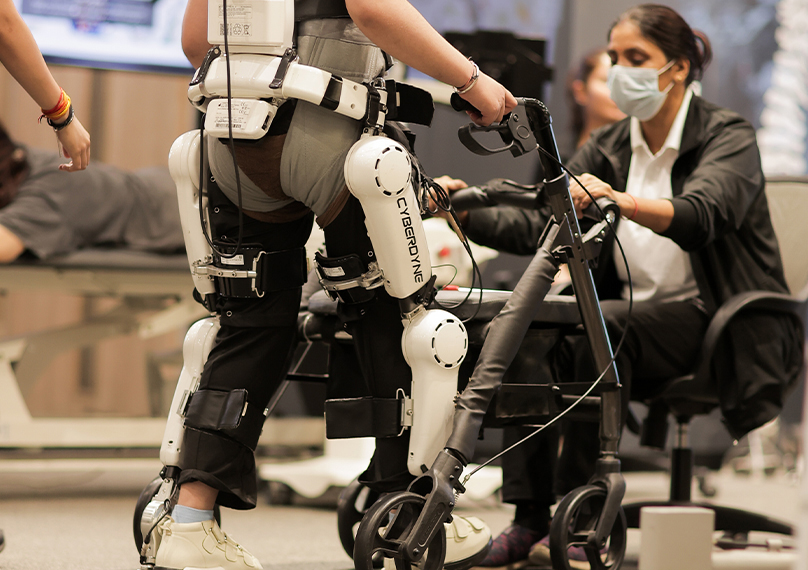 Step 2
Assisted Movement Execution
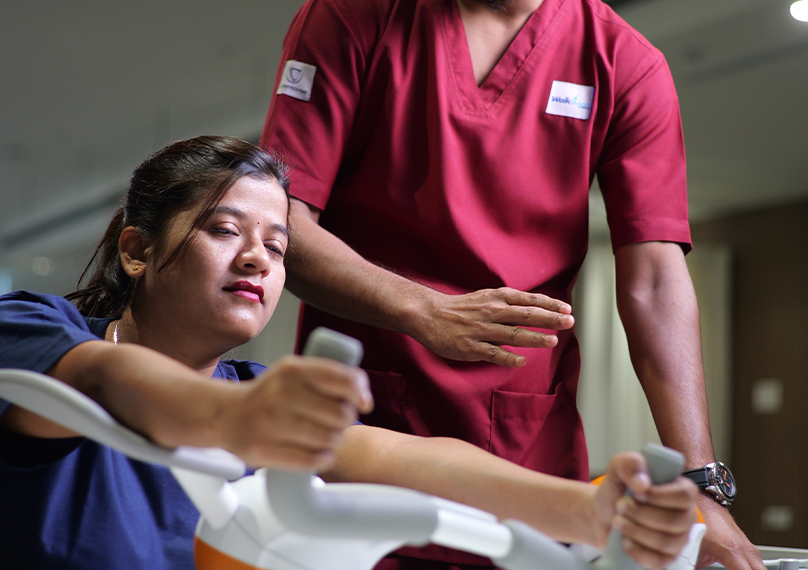
- Robotic systems support natural movement patterns
- Encourages correct posture and gait
- Reduces strain while maximizing repetition
 Step 3
Neuroplasticity Activation
- Repetitive, guided movement stimulates brain rewiring
- Strengthens connections between neurons
- Promotes long-term functional recovery
 Step 4
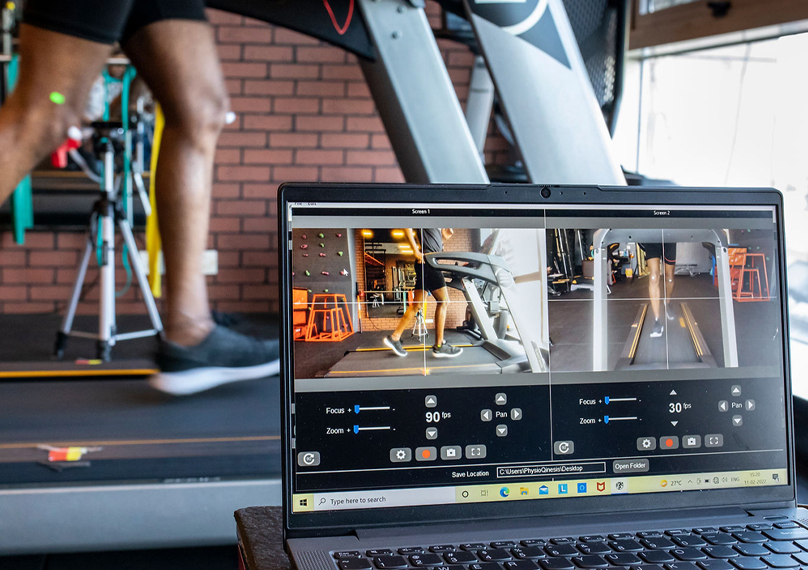
Real-Time Feedback & Progress Tracking
- Immediate feedback enhances motor learning
- Tracks improvements in strength, balance, and coordination
- Allows therapists to personalize treatment plans
Why WalkAgain
Conventional Neurorehab
- Restore lost physical function
- Manual repetition
- Therapist-driven
- Indirect
- Gradual, often plateauing

Walk Again Neurorehab
- Reactivate and retrain damaged neural circuits
- Brain–Computer Interface, robotics, FES
- Data-driven with real-time adjustments
- Direct and targeted stimulation
- Faster gains with sustained improvement
Patient Journey
 Stage 1
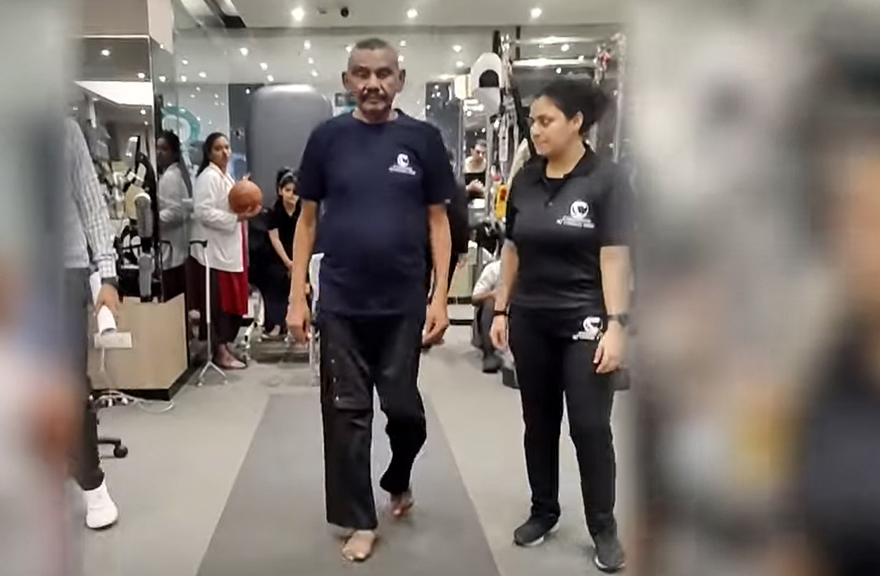
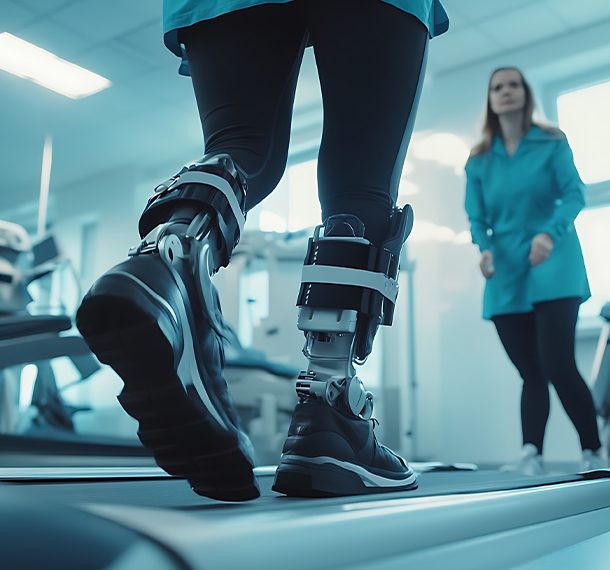
Improved gait and limb control
 Stage 2
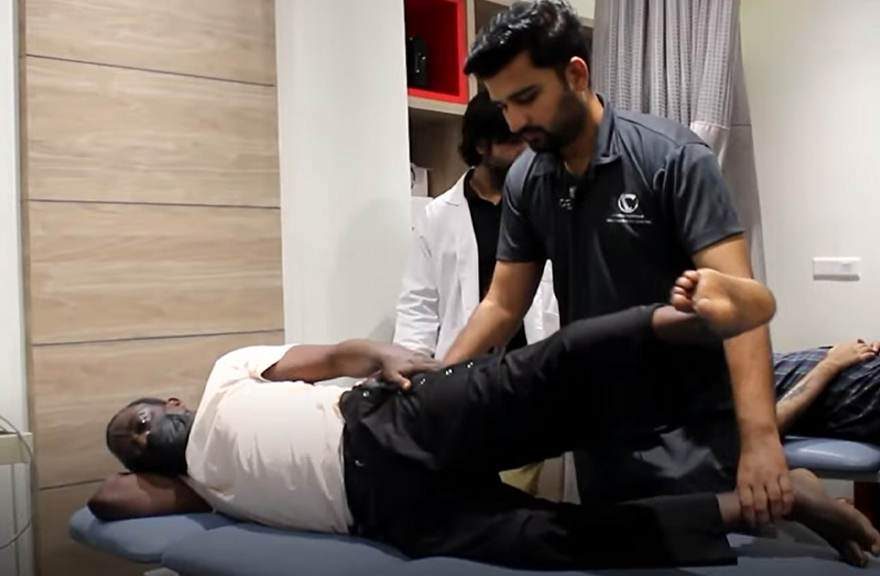
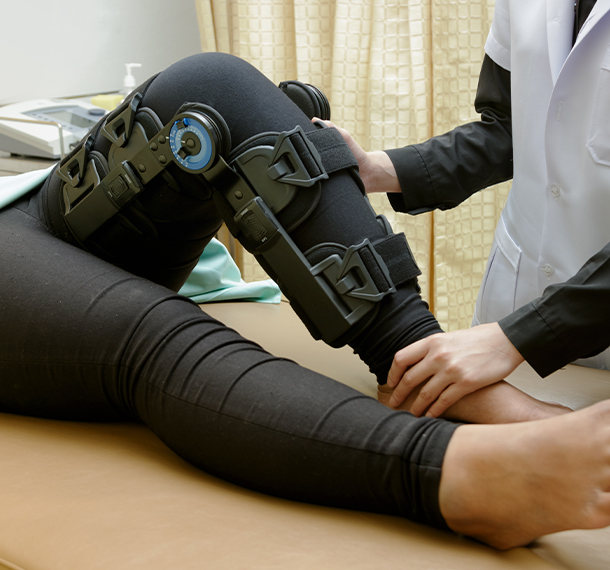
Reduced spasticity and muscle stiffness
 Stage 3
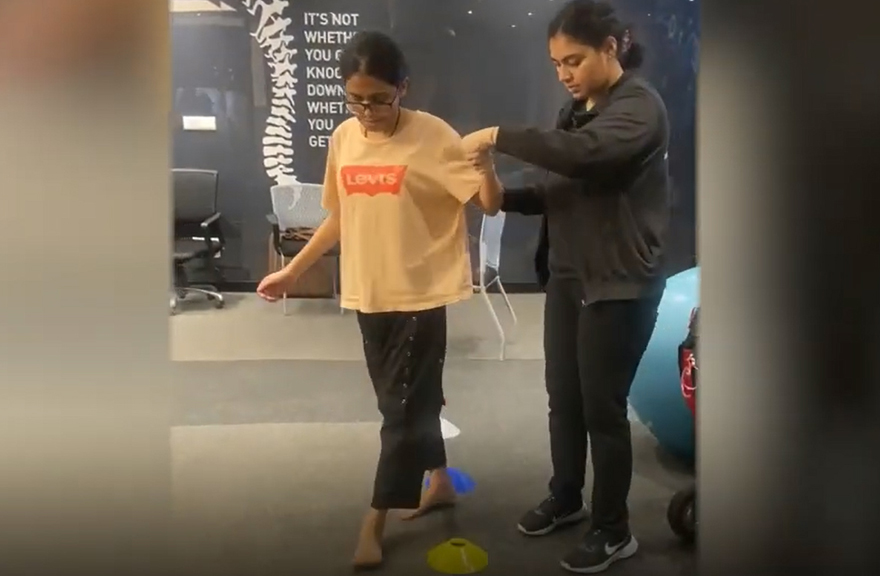
Better balance and coordination