Key areas
Impact of Alzheimer’s Disease
Alzheimer’s Disease affects cognitive, functional, and behavioral abilities over time. Its impact progresses gradually, influencing independence and overall well-being. Early and continuous intervention can help manage symptoms more effectively.
Memory Loss
Difficulty remembering recent events, names, or important information.
Cognitive Function
Impacts reasoning, judgment, and problem-solving abilities.
Communication Skills
Challenges in finding words, following conversations, or expressing thoughts.
Behavior & Mood
May cause confusion, anxiety, irritability, or personality changes.
Orientation & Awareness
Disorientation in time, place, and familiar environments.
Daily Living Skills
Progressive difficulty in performing routine tasks and self-care activities.
Technologies Used for Alzheimer's Disease
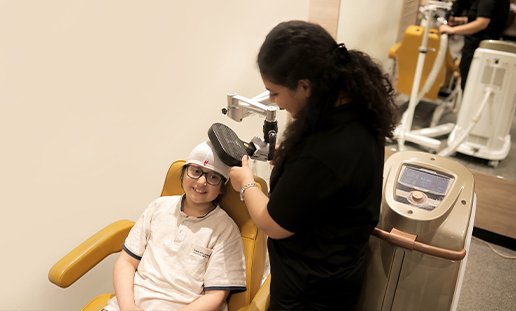
RTMS
Non-invasive brain stimulation that modulates cortical excitability, supporting neuroplasticity and motor and cognitive recovery.
Where technology Meets Neuroscience Recovery in Alzheimer's Disease Rehabilitation
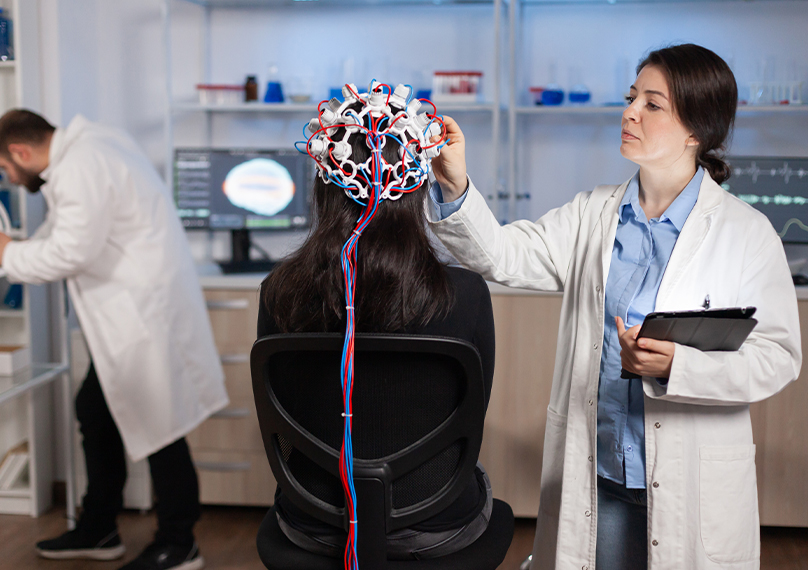 Step 1
Detection of Neural Signals
- Sensors capture bioelectric signals from the brain
- Identifies the patient’s intention to move
- Enables early engagement even with limited physical ability
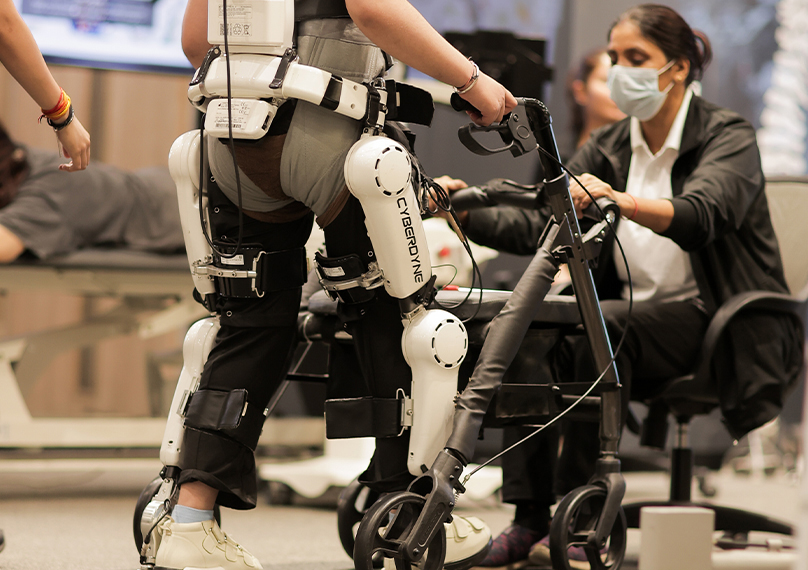 Step 2
Assisted Movement Execution
- Robotic systems support natural movement patterns
- Encourages correct posture and gait
- Reduces strain while maximizing repetition
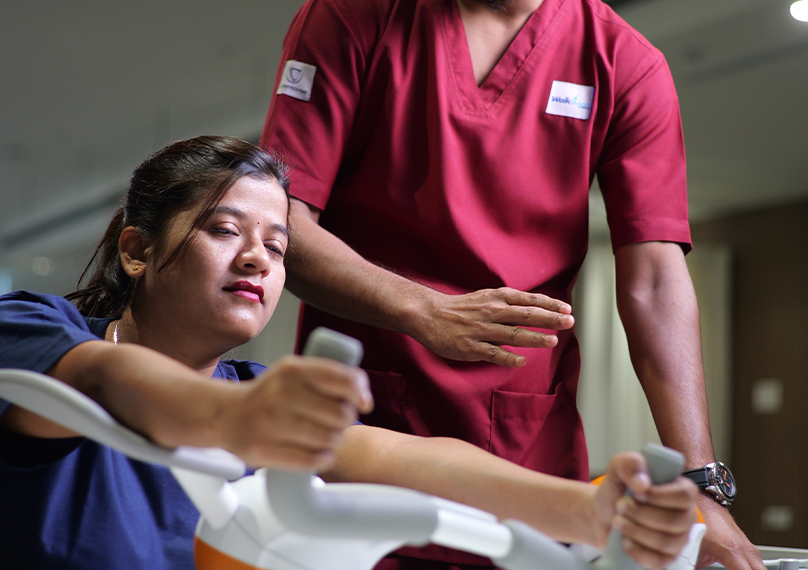 Step 3
Neuroplasticity Activation
- Repetitive, guided movement stimulates brain rewiring
- Strengthens connections between neurons
- Promotes long-term functional recovery
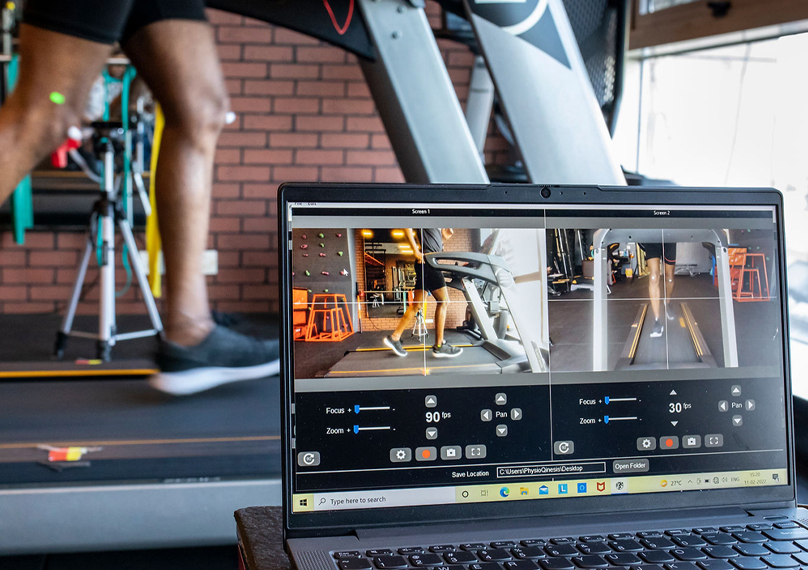 Step 4
Real-Time Feedback & Progress Tracking
- Immediate feedback enhances motor learning
- Tracks improvements in strength, balance, and coordination
- Allows therapists to personalize treatment plans
Why WalkAgain
Conventional Neurorehab
- Restore lost physical function
- Manual repetition
- Therapist-driven
- Indirect
- Gradual, often plateauing

Walk Again Neurorehab
- Reactivate and retrain damaged neural circuits
- Brain–Computer Interface, robotics, FES
- Data-driven with real-time adjustments
- Direct and targeted stimulation
- Faster gains with sustained improvement
Patient Journey
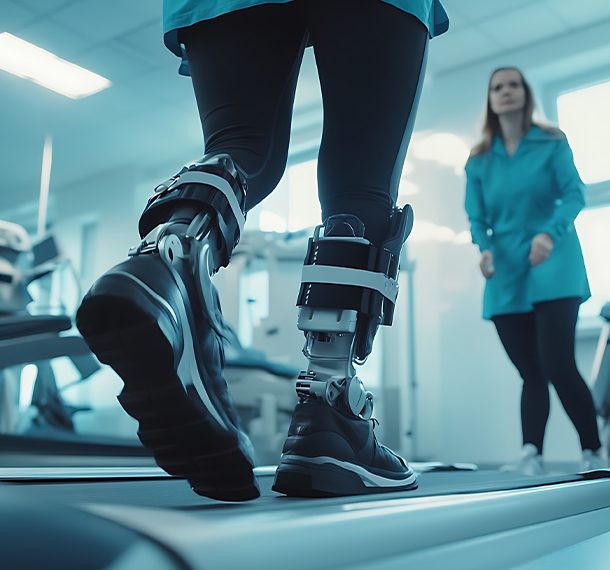 Stage 1
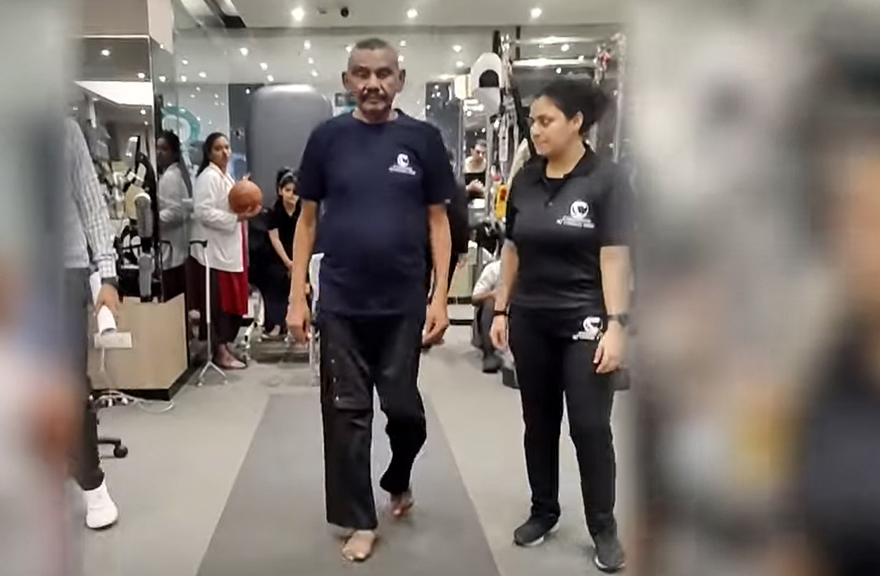
Improved gait and limb control
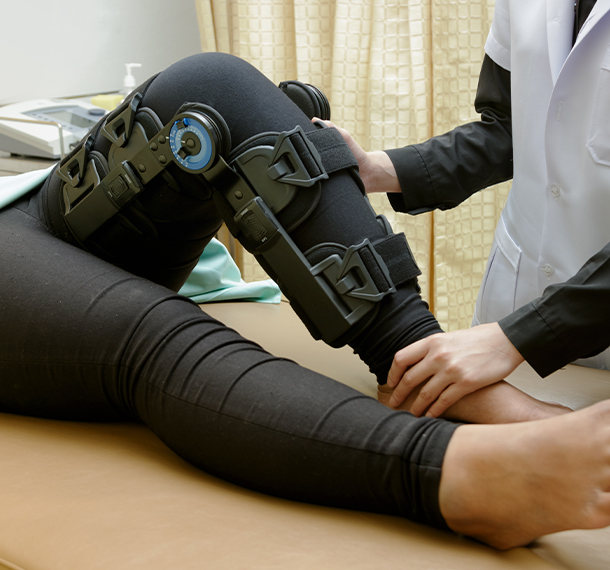 Stage 2
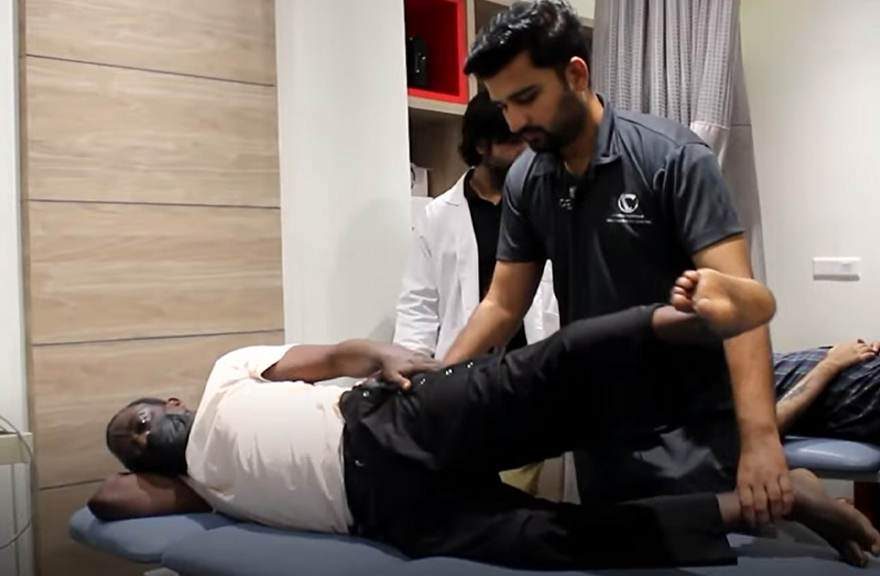
Reduced spasticity and muscle stiffness
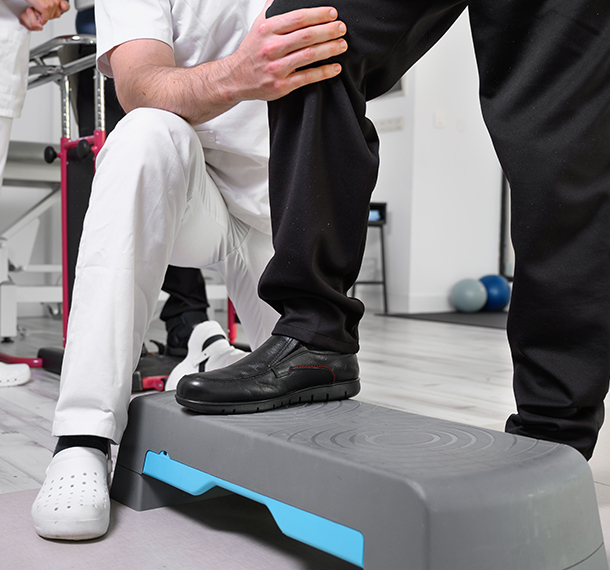 Stage 3
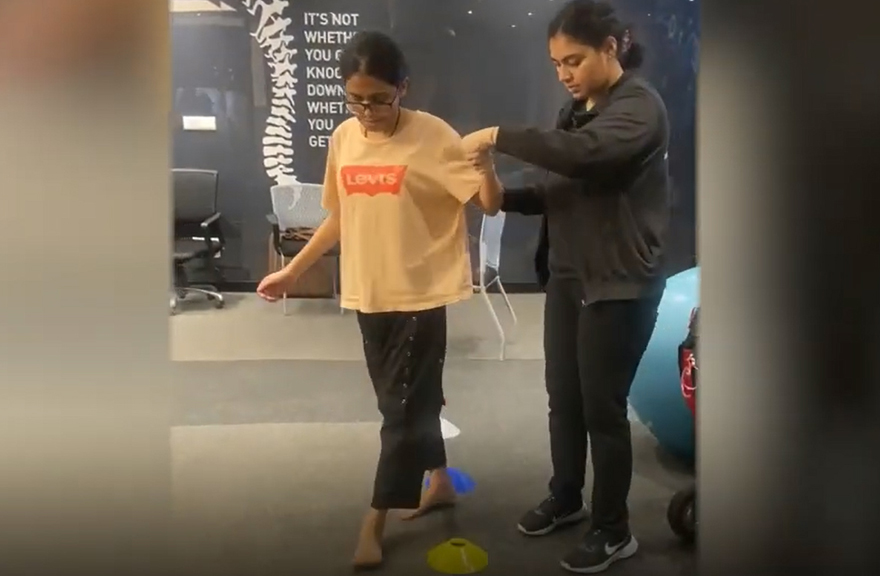
Better balance and coordination